Gen Z Vehicle Modification Craze: Legal Consequences and Supreme Court Rules
Instagram reels and YouTube shorts are filled with Gen Z enthusiasts showing off their modified vehicles — changed silencers, custom LED lights, flashy body colors, and more. But behind these trendy reels lies a harsh legal reality that many young vehicle owners are unaware of.
Strict Legal Framework
Section 52 of the Motor Vehicles Act, 1988 clearly states that no modification beyond the manufacturer’s original design is permitted. This applies to all vehicles — from ordinary two-wheelers to imported luxury cars. The central government holds exclusive authority to grant any modifications, and state governments have no power to override this.


The Supreme Court of India has consistently upheld this strict interpretation. In a landmark 2019 judgment, the Supreme Court struck down a Kerala High Court Division Bench order that had allowed certain modifications with conditions. The apex court made it clear that no state can create rules that contradict the Central Motor Vehicles Act.
Real-World Examples
The strictness of these laws was demonstrated when the Kerala High Court ordered KSRTC to remove an extra headlight from its double-decker tourist bus in Munnar — even a single additional headlight beyond the manufacturer’s design was deemed illegal.
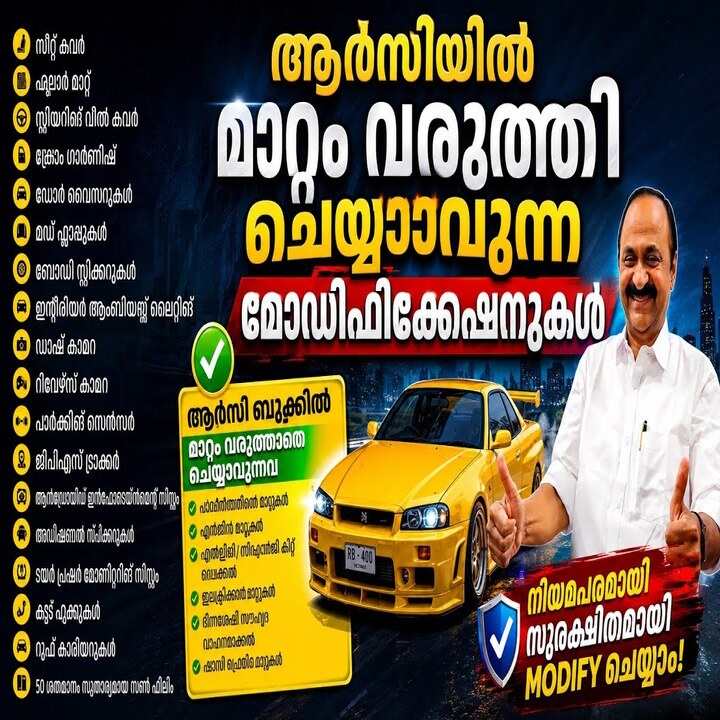

Serious Consequences
Legal experts warn that illegal modifications can lead to:
- Denied insurance claims — if an accident occurs in a modified vehicle, insurance companies can reject claims entirely
- Legal penalties under the Motor Vehicles Act
- Vehicle seizure by enforcement authorities
Even seemingly minor changes like altering tire sizes are not legally permitted under current regulations.
The 2019 Supreme Court Intervention
The legal battle began when the Kerala Transport Commissioner issued a circular in 2006 strictly banning vehicle modifications. Vehicle owners challenged this in the Kerala High Court, which initially ruled in their favor. However, the Motor Vehicles Department appealed to the Supreme Court. The amicus curiae report submitted to the Supreme Court stated that state governments lack the authority to create rules that override Section 52 of the Central Motor Vehicles Act. The Supreme Court fully accepted this position and annulled the High Court’s order.
Why Modifications Are Restricted
All vehicles in India — including imported luxury cars — must pass rigorous prototype testing conducted by central government-approved agencies before being allowed on Indian roads. These tests ensure road safety and environmental compliance. Any modification after these tests undermines the safety guarantees that were originally certified.
Bottom Line
While vehicle customization may seem like harmless self-expression, Indian law treats it as a serious offense. Gen Z car enthusiasts should think twice before modifying their vehicles for social media clout, as the legal and financial consequences can be severe.